
A Practical Guide to Serving Size, Sodium, Added Sugars and Ingredients
Start with the serving size, then compare ingredients, sodium and added sugars. These details tell you more about a bag of cashews than its flavor name or a front-of-bag claim. Here is how to work through a real label and use what you find when choosing your next snack.
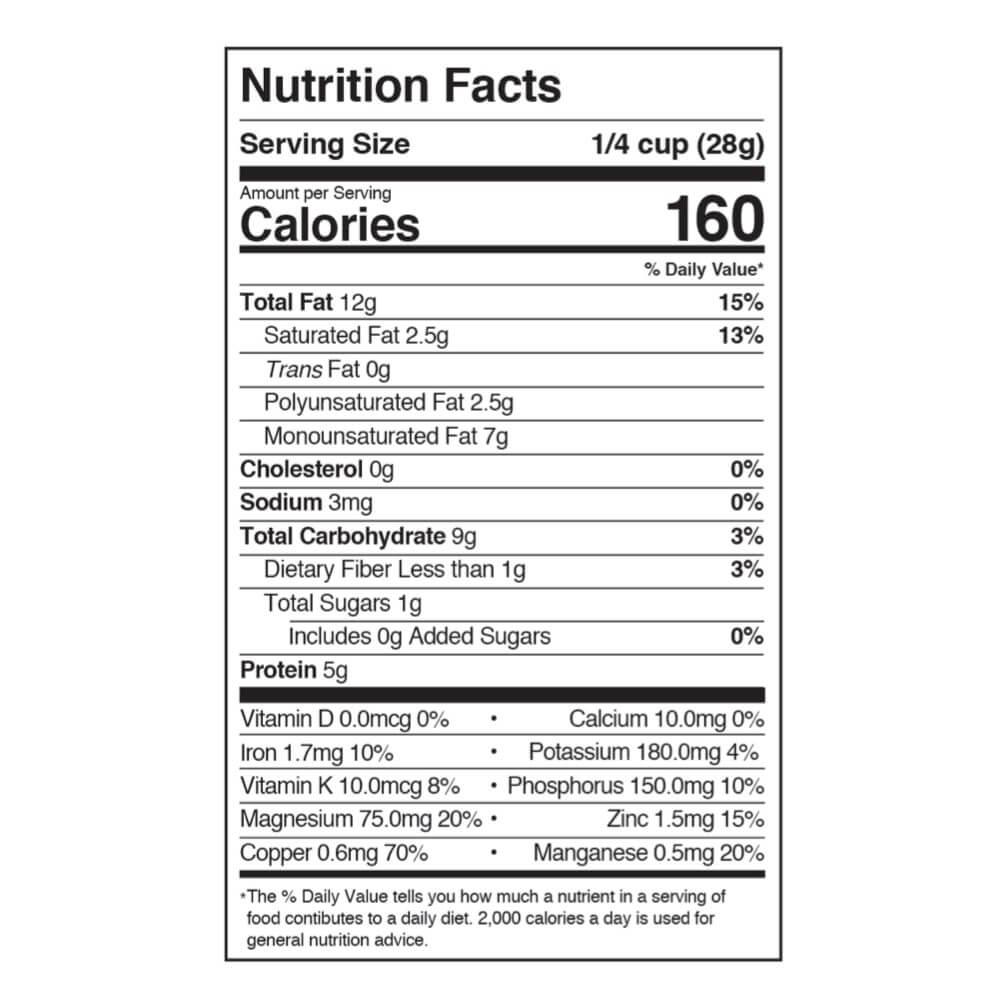
Figure 1. Actual Nutrition Facts image displayed on the KARMA NUTS Raw Jumbo Cashews page. Use your current package as the final reference; this image does not identify servings per container. Source checked October 22, 2026.
What a Dietitian Checks First on a Cashew Label
In her answers for KARMA NUTS, Dietitian Whitney Stuart MS RDN puts it simply: “I start with three things: serving size, the ingredient list, and sodium.” This keeps the first pass manageable. Once you understand those details, look at added sugars and the rest of the nutrient panel.
If you have a food allergy, make the ingredient and allergen information your first check instead. Cashews are tree nuts and are not suitable for someone with a cashew allergy. Nutrition comparisons cannot establish whether a food is safe for your allergies.
Why Serving Size Comes Before Calories
The pictured Raw Jumbo Cashews label lists a serving as 1/4 cup, or 28 grams. Its 160 calories and other nutrient amounts refer to that serving. They do not necessarily describe the entire bag, and the image does not show how many servings a particular package contains.
For comparison shopping, the gram weight is especially useful. A handful can vary with your hand size and the size of the nuts. Cup measures are convenient at home, but checking weights helps you compare two labels fairly.
The FDA explains serving sizes as amounts people typically consume, not personalized recommendations. Your portion can depend on your appetite, the rest of your meal and any advice from your own dietitian.
Next, check servings per container on the package you are holding. If there is a per-package column, it can save you some arithmetic when you eat the whole package. Do not assume a small-looking bag contains only one serving.
How Your Portion Changes the Nutrition Numbers
Here is what the displayed figures mean when the amount changes. These are calculations from the website image, not a claim about the size of a specific snack pack. Label rounding means calculated amounts should be treated as estimates.
| Amount | Calories | Sodium | Protein |
|---|---|---|---|
| 14 g or half a serving | 80 | 1.5 mg | 2.5 g |
| 28 g or one serving | 160 | 3 mg | 5 g |
| 56 g or two servings | 320 | 6 mg | 10 g |
The point is to match the label to what you eat. Stuart suggests pouring a portion into a bowl rather than eating directly from the bag. That simple step makes it easier to see the amount without turning a snack into a counting exercise.
What the Ingredient List Reveals About Your Cashews
The ingredient list tells you what went into the food. The Nutrition Facts panel tells you the nutrient amounts in a serving. Read both, because neither replaces the other.
For example, the Raw Jumbo Cashews product page lists cashews as its ingredient. The Lightly Salted Wrapped® Cashews page lists cashews and sea salt. Those lists help distinguish the plain and salted choices without guessing from the product names.
Ingredients are listed in descending order by weight. The first few can help you understand a flavored snack, but they do not reveal the grams of every ingredient. Use the nutrient panel for quantities such as sodium and added sugars.
Look for the details that matter to you: added oils, sweeteners, salt and seasoning ingredients. A longer list does not automatically make a food a poor choice. A short list also does not make it suitable for every allergy or eating plan.
Do not assume “air roasted” or “dry roasted” means the finished snack has no added oil. Toppings and flavorings can add ingredients after roasting. The ingredient list is the place to check what is actually in that variety.
How to Compare Sodium Without Being Misled by Serving Size
The pictured raw-cashew label shows 3 milligrams of sodium per 28-gram serving. Use that number as an example of how to read this particular panel, not as a sodium estimate for every raw, salted or flavored cashew product.
When comparing two products, first match their serving weights. For a hypothetical comparison, a label showing 100 mg sodium per 28 g and another showing 150 mg per 42 g represent the same sodium concentration. The second amount is 1.5 times the first serving, so its sodium is also 1.5 times as much. These comparison figures are not KARMA NUTS product values.
The percent Daily Value, written as %DV, provides another reference. FDA sodium guidance describes 5% DV or less per serving as low and 20% DV or more as high. Compare the same portion, and follow your clinician’s guidance if you have an individual sodium limit.
Also distinguish relative claims from absolute amounts. “Lightly salted” compares a product with a regular version; it does not automatically mean the product qualifies as low sodium. “Unsalted” or “no salt added” does not necessarily mean sodium-free. The milligram amount is more useful than judging by how salty a snack tastes.
Total Sugars vs. Added Sugars: What Is the Difference?
The pictured label shows 1 gram of Total Sugars and “Includes 0g Added Sugars.” That means its listed sugar is not from added sugars. Zero added sugars does not mean the food contains zero total sugars or zero carbohydrates. The same panel lists 9 grams of total carbohydrate.
As the FDA explanation of total and added sugars makes clear, added sugars are included within total sugars. You should not add the two numbers together.
For example, a hypothetical flavored snack with 4 grams of total sugars and 3 grams of added sugars contains 4 grams of sugar altogether, not 7. The added-sugar number tells you how much of that total was added during processing.
Honey, cane sugar and syrups can contribute added sugars. A phrase such as “made with real honey” identifies an ingredient but does not say how much sugar is in your portion. Check the Added Sugars line for the amount and the ingredient list for its sources.
You do not have to judge a snack only by whether it tastes sweet. Compare the actual amounts and decide what fits your preferences and needs. If you manage a medical condition, a general article cannot replace your own nutrition plan.
What Protein, Fiber and Fat Tell You About Your Cashews
The pictured label lists 5 grams of protein, less than 1 gram of dietary fiber and 12 grams of total fat per serving. Within total fat, it lists 2.5 grams saturated fat, 2.5 grams polyunsaturated fat and 7 grams monounsaturated fat. Those fat categories are parts of the total; do not add them on top of the 12 grams.
This is why a phrase such as “plant protein” is only a starting point. Look at the grams in the portion you intend to eat. Likewise, do not assume every cashew variety has the same fiber amount, especially when comparing different products or formats.
The %DV column is not a score for the entire snack, and its numbers are not meant to add vertically to 100%. Each percentage refers to a different nutrient. The daily references are general guidance, not a calculation of your personal requirements.
The pictured label, for instance, lists magnesium at 20% DV and copper at 70% DV per serving. That does not mean it supplies 20% or 70% of all your nutritional needs. It describes each nutrient separately. Use the whole panel rather than selecting one favorable number to stand in for the rest.
Why Allergy Information Needs a Fresh Check Every Time
Read the full ingredient list and allergen information, including for flavors you have bought before. Recipes, suppliers and manufacturing can change. “Vegan,” “gluten free” and a short ingredient list do not establish safety for someone with a cashew or another food allergy.
The FDA food allergy guide explains how major allergens are identified on packaged foods. If ingredients or cross-contact information are unclear, contact the manufacturer and follow your allergist’s advice. Do not use the nutrition image above as a substitute for the full package’s allergen information.
Common Questions About Cashew Nutrition Labels
Does 0% Daily Value Mean a Nutrient Is Absent?
Not always. The pictured label lists 3 mg sodium alongside 0% DV. The milligram amount is not zero; the displayed percentage is rounded. When you need a precise comparison, read the amount as well as the percentage.
Are Calories Enough to Compare Two Cashew Products?
You can compare their calories, but first match the serving weight. Then check the other details that matter to you, such as ingredients, sodium and added sugars. A calorie number cannot tell you whether an ingredient meets your preferences or allergy needs.
Which Label Should I Trust: the Website or My Package?
Use the current package you are buying or eating. Online images are helpful when browsing, but may not reflect every size or a recent update. If the website and package disagree, ask the manufacturer to clarify rather than choosing whichever number you prefer.
Your Quick Checklist for Choosing a Cashew Snack
Before choosing, check four things: the serving weight, the amount you plan to eat, the ingredients and allergens, and the sodium and added sugars. Then look at the rest of the panel for context. Choose a flavor you enjoy and use the same process next time you shop.
This article provides general food-label education, not individualized medical or nutrition advice. Follow your healthcare professional’s recommendations when managing a medical condition or food allergy.
Sources
FDA nutrition label guide | Serving sizes, sugars and %DV.
FDA sodium guidance | Sodium comparisons and label terms.
FDA food allergy guide | Allergen labeling (PDF).
KARMA NUTS original label image | Raw Jumbo Cashews website image used in Figure 1.


